Korean Serum and Ampoule ODM, OEM and Private Label
Serums are where most brands want to differentiate and where the formula is least forgiving. Active concentration, pH and packaging all constrain each other, and getting the order of those decisions wrong costs weeks.
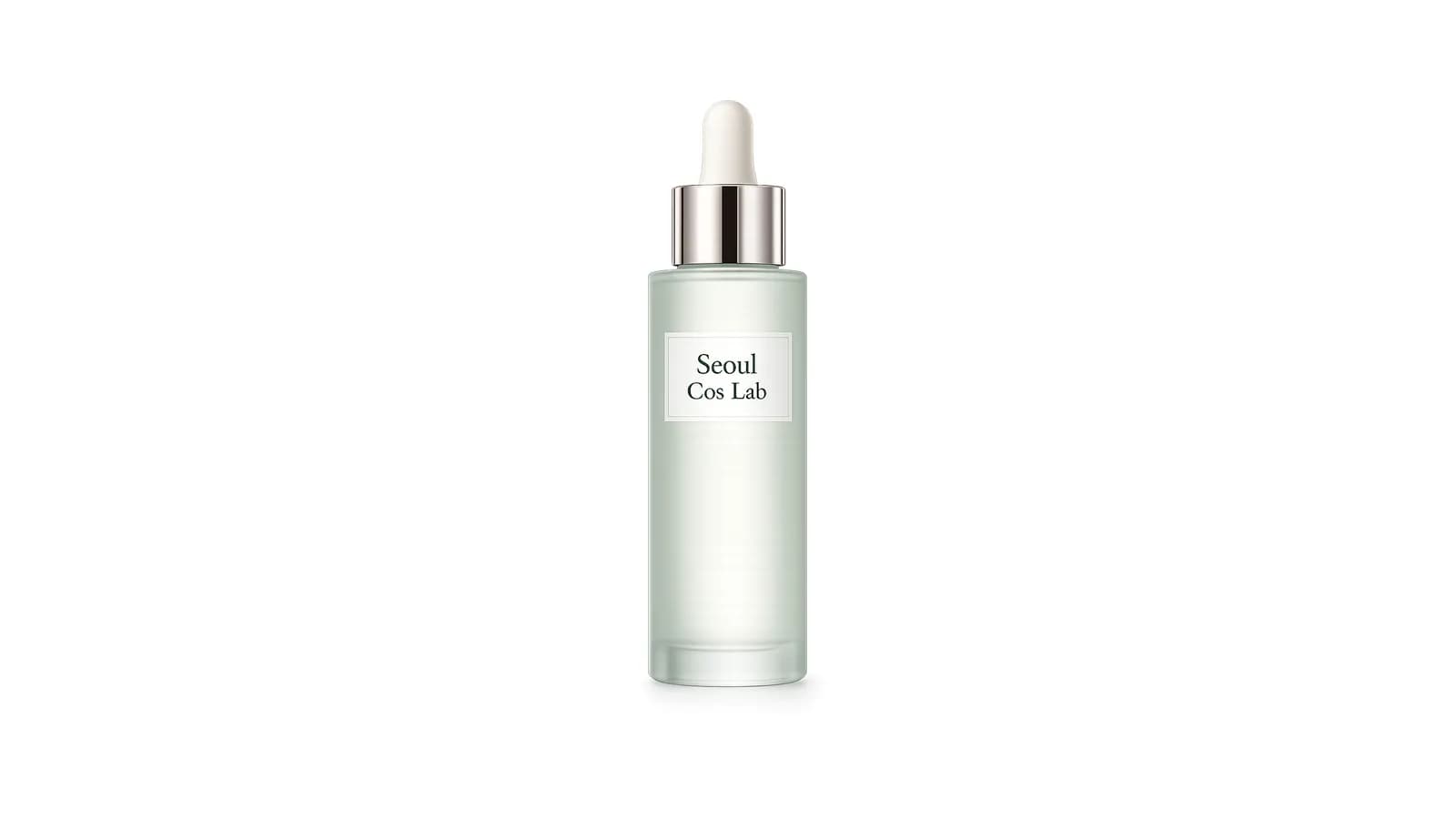
What we can develop
- 01Hydrating and barrier-support systems
- 02Brightening direction within permitted claim limits
- 03Peptide and biotech active systems
- 04Centella and botanical extract systems
- 05Fermented ingredient systems
- 06Lightweight watery textures through to rich occlusive finishes
- 07Sensitive-skin formulations with reduced fragrance and preservative load
Texture and format
- Watery essence-serum, low viscosity
- Standard serum, medium viscosity
- Ampoule, single-use or multi-dose
- Oil-serum and biphase systems
- Gel-serum with high water content
The decisions that constrain everything after them.
Active concentration versus claim
What you can say about an active is set by your destination market, not by how much you include. Deciding the claim first tends to produce a cleaner formula than deciding the percentage first.
pH windows
Several popular actives need a narrow pH range to stay effective, and those ranges do not always overlap. Combining them can mean one of them is present but not doing much.
Packaging compatibility
Light-sensitive and oxygen-sensitive systems behave differently in a clear dropper bottle than in an airless pump. This should be settled before tooling, not after.
Viscosity and perceived value
Buyers read thickness as strength, which is not true but does affect repurchase. Target viscosity deserves to be in the brief as a number, not as an adjective.
Typical MOQ
What binds the number for this format.
For serums the bulk batch floor is usually low relative to other categories, which means packaging usually sets the number. Droppers and airless pumps carry separate component minimums from the bottle itself.
MOQ depends on the formula, packaging format and component minimums. We quote per project.
The six factors →Frequently Asked Questions
What is the difference between a serum and an ampoule?
There is no regulatory distinction. In Korean usage an ampoule generally implies a higher active load or a more concentrated positioning, and often a smaller fill size. Both are formulated the same way; the difference is positioning and packaging.
Can I specify an exact active percentage?
You can, subject to regulatory limits in your destination market and to stability in the chosen base. We will tell you where a requested percentage will not hold up over shelf life rather than formulate it and let it fail later.
Dropper or airless pump for a serum?
Airless protects oxygen-sensitive systems and doses more consistently. Droppers suit thin serums and read as clinical. The formula usually decides; where it does not, the retail channel does.
What is the minimum order for a serum?
MOQ depends on the formula, packaging format and component minimums. We quote per project. In most categories the packaging decision — stock components against custom tooling — moves the number further than the formula does. Small-batch production is possible: in some product categories a first run from around 3,000 units is workable. It differs product by product, so ask us about yours.
Related
- What We Dokorean cosmetic odmView →
- What We Dokorean cosmetic formulation labView →
- What We Dokorean cosmetic packaging sourcingView →
- Ingredientskorean cosmetic active ingredientsView →
Manufacturing through contracted Korean partners, matched to your product — every order made in Korea. Certifications depend on the selected manufacturing partner and project requirements.
Send Your Reference
Let’s Create
What’s Next in Beauty.
Send a benchmark product or a description of the texture you want. It is usually faster than a written brief.
Send Your Reference →