Korean Moisturizer and Cream ODM, OEM and Private Label
Creams are emulsions, and emulsions fail in ways that aqueous systems do not. Most cream projects that go wrong go wrong at scale-up, when a formula that behaved in the lab separates in a production vessel.
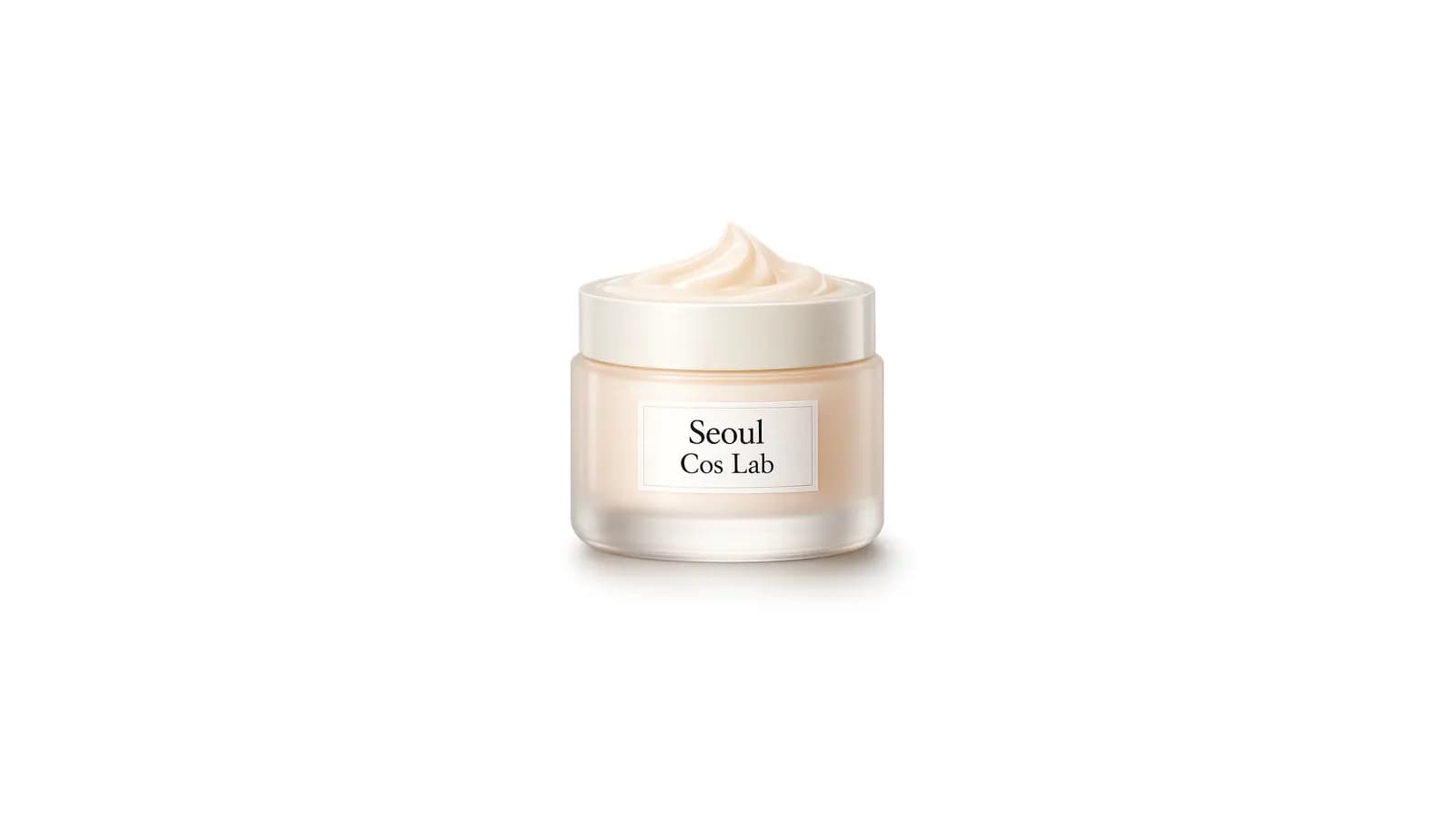
What we can develop
- 01Barrier-repair systems built on ceramide and lipid complexes
- 02Lightweight gel-creams for humid climates
- 03Rich occlusive creams for dry and cold markets
- 04Soothing systems for sensitive and reactive skin
- 05Night creams with higher active loads
- 06Fragrance-free and reduced-preservative variants
Texture and format
- Gel-cream, high water content
- Standard oil-in-water emulsion
- Water-in-oil for occlusive finish
- Balm-cream, anhydrous or near-anhydrous
- Whipped and aerated textures
The decisions that constrain everything after them.
Scale-up behaviour
Emulsions do not always behave the same in a production vessel as in a beaker. A pilot batch before full production is the cheapest insurance available on this category.
Jar versus tube
Jars present better and permit thicker textures. They also expose the formula to air and fingers on every use, which raises the preservation requirement.
Climate of the destination market
A cream developed for a temperate market can feel heavy and occlusive in a humid one. Target market belongs in the brief before the texture is set.
Freeze-thaw stability
Products shipped through cold climates need freeze-thaw cycling in the stability programme. It is routinely skipped and routinely regretted.
Typical MOQ
What binds the number for this format.
Emulsions generally need larger bulk batches than aqueous systems to mix correctly, so for creams the bulk floor is more often the binding constraint than the packaging.
MOQ depends on the formula, packaging format and component minimums. We quote per project.
The six factors →Frequently Asked Questions
Why do creams need larger batch sizes than serums?
Emulsification depends on shear and on the geometry of the vessel. Below a certain fill level the mixer cannot generate a stable emulsion, so the vessel sets a floor that a simple aqueous system does not have.
Can I use a jar instead of a tube?
Yes, with two consequences: the preservation system has to handle repeated exposure to air and fingers, and challenge testing becomes more important. Both are manageable if decided early.
How long does stability testing take for a cream?
Accelerated testing takes weeks and supports a launch decision. Real-time testing runs the length of the shelf life you intend to claim, and that is what substantiates the claim.
What is the minimum order for a cream?
MOQ depends on the formula, packaging format and component minimums. We quote per project. In most categories the packaging decision — stock components against custom tooling — moves the number further than the formula does. Small-batch production is possible: in some product categories a first run from around 3,000 units is workable. It differs product by product, so ask us about yours.
Related
- What We Dokorean cosmetic formulation labView →
- What We Docosmetic quality control koreaView →
- What We Dokorean cosmetics oem servicesView →
- Ingredientskorean cosmetic active ingredientsView →
Manufacturing through contracted Korean partners, matched to your product — every order made in Korea. Certifications depend on the selected manufacturing partner and project requirements.
Send Your Reference
Let’s Create
What’s Next in Beauty.
Send a benchmark product or a description of the texture you want. It is usually faster than a written brief.
Send Your Reference →